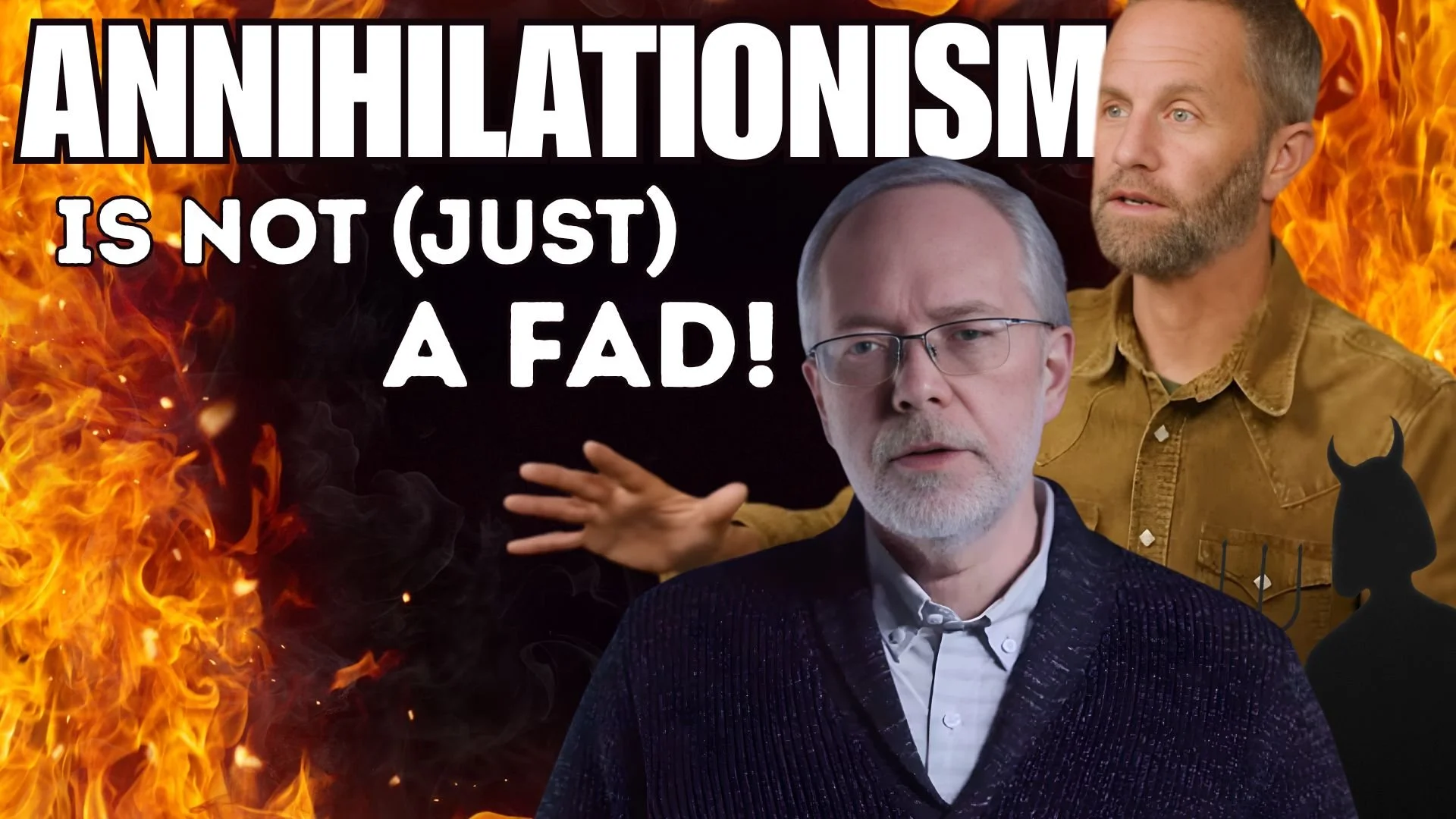
Heiser Defended Annihilationism Before It Was Cool
Annihilationism, or conditional immortality, is presented as a position that has often been labeled heresy despite lacking a settled consensus in historical theology and despite being defended by some conservative scholars as biblically and historically plausible within evangelical orthodoxy. The argument centers on the biblical relationship between life, death, and immortality, proposing that death represents the loss or absence of life sustained by God and raising questions about how the destruction of death in the final state should be understood if conscious punishment continues forever. Prophetic and apocalyptic language describing judgment as “eternal” or “forever” is interpreted as emphasizing finality and irreversibility rather than endless ongoing experience, drawing on Old and New Testament imagery of judgment, extinction, and the ultimate defeat of death. The central issue is whether Scripture requires eternal conscious torment or whether permanent destruction better coheres with the themes of judgment, the end of death, and the restoration of creation while remaining within the bounds of Christian orthodoxy.