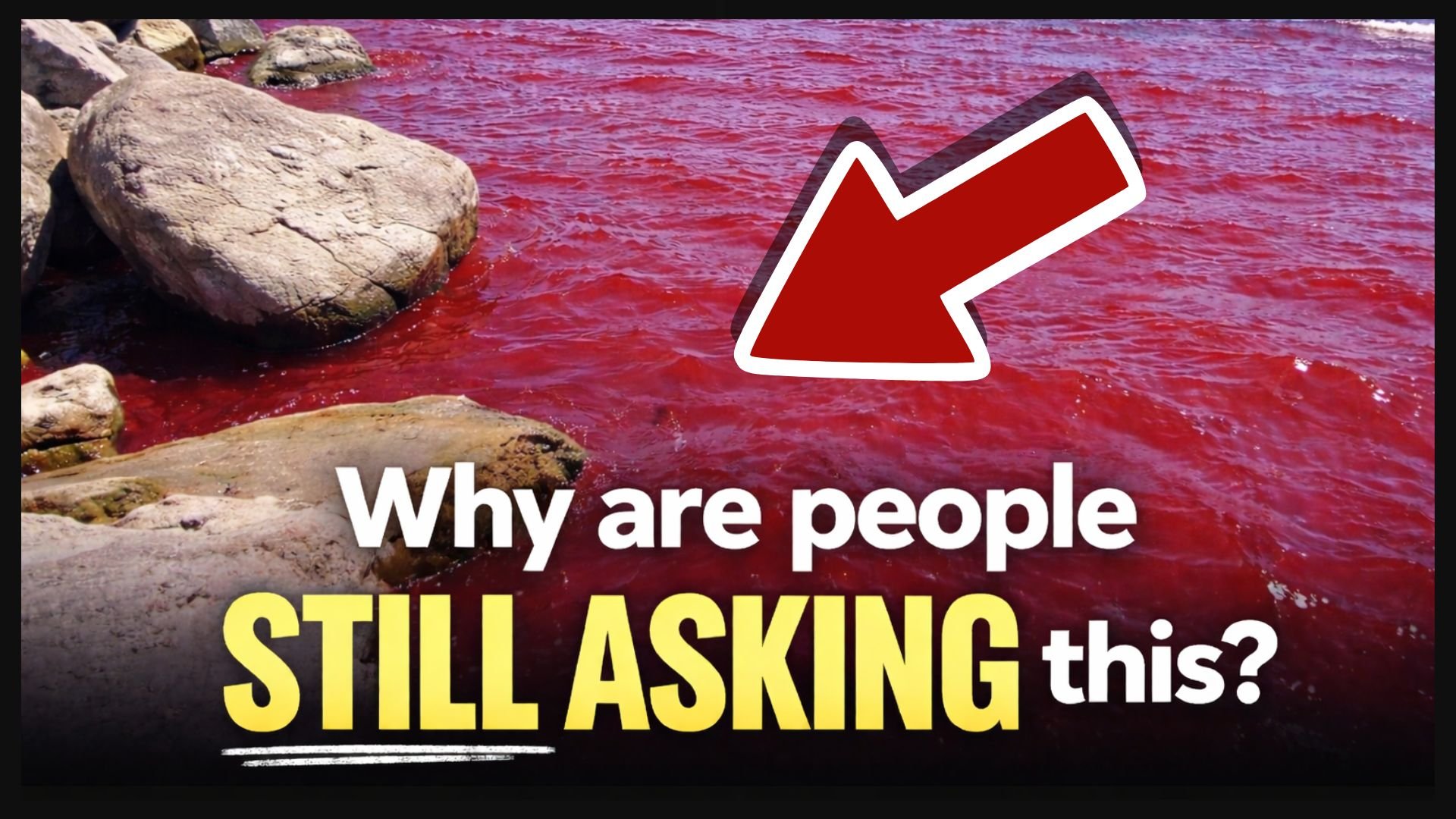
What Does the Bible Say About the Sea of Galilee Turning Red?
The Sea of Galilee turning red is a natural event that can be understood within a biblical framework in which God works through creation to communicate spiritual realities. Such events should not be treated as precise indicators of an imminent end, but as part of recurring patterns seen throughout Scripture. Waters turning to blood often signify judgment, divine authority, and redemption, pointing to God’s control over chaos and the effects of sin in the world.
These signs are meant to lead to inward reflection and readiness rather than fear or speculation. They remind people of God’s sovereignty and the promise of restoration through Christ. Believers are called to interpret these events through Scripture, reject sensationalism, and remain grounded in hope, peace, and the kingship of Christ.

Biblical Cosmology in the ANE (Ancient Near Eastern) World
Biblical cosmology describes reality as structured into three realms: heaven above, the earth where humans live, and the depths below, associated with the grave and imprisoned rebellious beings. In the Old Testament worldview, humans live between heaven and earth and descend to Sheol in death, though there is an expectation that the grave is not the final destiny. The New Testament presents a shift after the resurrection of Jesus, opening the way for believers to ascend to heaven and redefining the grave so that the place of judgment becomes what is called hell. The Garden of Eden is portrayed as a mountain-temple where heaven and earth meet and where humanity originally lived in communion with God before descending into exile and death. In the final restoration, the new Jerusalem descends, and heaven and earth are united again, returning creation to a garden-like order in which Christ reigns over all things and God’s sovereignty extends over every realm of existence.
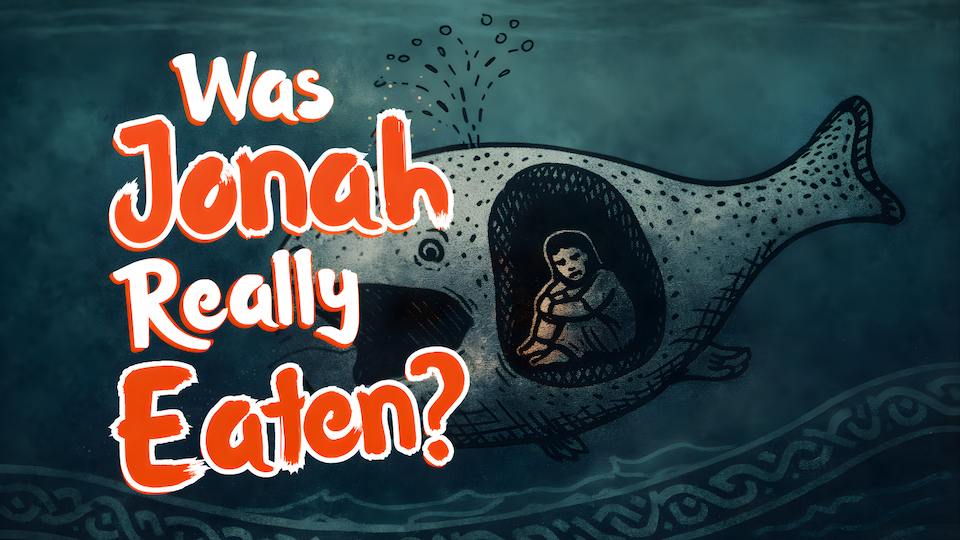
Was Jonah Really Eaten by a Fish?
Jonah 2 is a prayer, where Jonah describes himself as being both in the belly of the fish and in the belly of Sheol, drawing on ancient biblical and Near Eastern imagery in which the sea represents death, chaos, and descent into the underworld. Swallowed by the depths, Jonah understands his situation as a descent—down from Jerusalem, down to Joppa, down into the ship, down into the sea, down to the roots of the mountains—yet he confesses that even there he remains under the sovereign rule of Yahweh, whose waves and billows pass over him, whose presence cannot be escaped, and whose power reaches even into the abyss. As Jonah remembers Yahweh, God “remembers” Jonah in an active, covenantal sense, bringing Jonah’s life up from the pit before the bars of death close forever. The prayer culminates in repentance, renewed allegiance, and thanksgiving, rejecting idolatry understood not only as false worship but as refusal to obey God’s positive commands, and affirming that salvation belongs to Yahweh alone. The great fish is the means of Jonah’s deliverance rather than destruction, Jonah is restored to life and vocation, and the text insists on speaking in the material, miraculous language of Scripture itself, resisting attempts to dematerialize or disenchant the narrative. Doing so ultimately erodes the coherence of biblical faith, prayer, and hope.