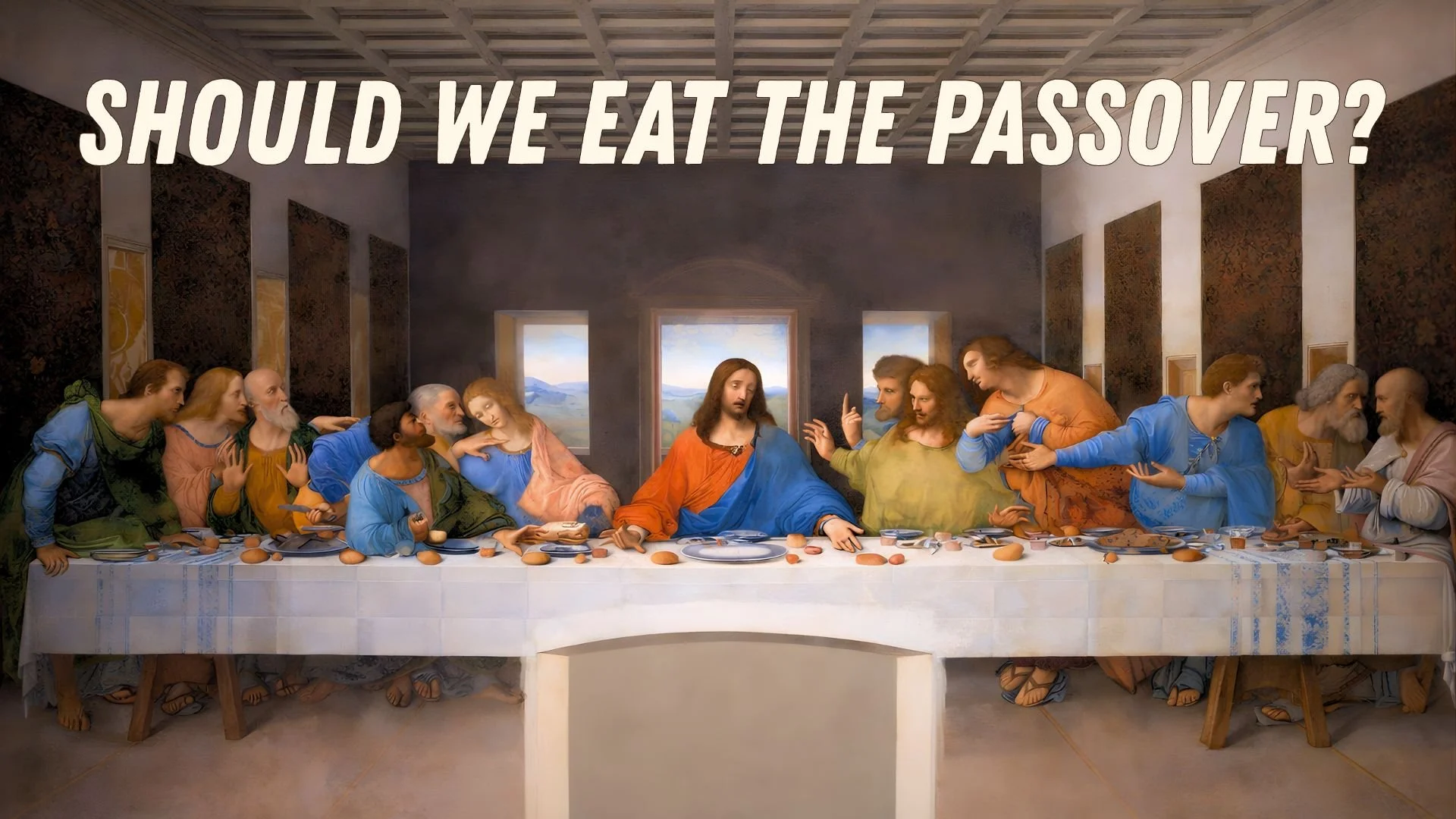
Passover and the Lord’s Supper: the New Covenant and Maundy Thursday
The relationship between Passover, the Lord’s Supper, and Christian observance is examined through Scripture, arguing that the essential elements of Passover—lamb, bread, and bitter herbs—are fulfilled and transformed in the Lord’s Supper. The lamb is identified with Christ himself, the bread becomes the means of participation in his life as the true bread from heaven, and the imagery of suffering and deliverance associated with the bitter herbs is carried forward and reshaped, particularly through the symbolism of the cup as the covenant in Christ’s blood. Because these elements are already present in fulfilled form, the continuation of Passover as a separate practice is unnecessary, though optional observances may be permitted if they serve to clarify Christ-centered meaning. Emphasis is placed on the centrality of the Lord’s Supper—especially in connection with the resurrection—as the primary expression of covenant participation, with preference given to historic Christian patterns of remembering Christ’s death and resurrection rather than reconstructing earlier ritual forms.