What is the Image of God?
There are four primary interpretations of the image of God in Genesis 1:26–27: the substantive view sees the image in humanity’s rational, moral, and self-aware inner nature; the physical view understands the image as a bodily resemblance to God but raises theological questions, particularly regarding the Trinity; the functional view defines the image in terms of humanity’s role as God’s representative rulers tasked with exercising dominion and spreading creation’s order; and the relational view identifies the image with humanity’s unique capacity for relationship with God and others, especially within the broader narrative of Genesis 1–3. Each view has strengths and weaknesses, with the functional view best suited to the immediate context of Genesis 1, the relational view drawing on the wider narrative, and the substantive view raising questions about its applicability to all humans. While the physical view raises doctrinal concerns, these interpretations are not necessarily mutually exclusive; together, they may contribute to a fuller understanding of the concept.

AI Use in Biblical Studies
Authentic biblical teaching requires that the teacher be personally formed by Scripture before transmitting it to others, a principle reinforced by Ambrose, Richard Baxter, and Paul's charges to Timothy — without this personal engagement, both the teacher and the congregation suffer spiritually. Understanding Scripture is not merely an intellectual exercise but a Spirit-dependent encounter, and as Paul argues in First Corinthians chapter two, and as Calvin, Luther, and Basil all affirm, no purely natural or mechanical process can participate in the divine illumination necessary for true comprehension of God's Word. Finally, presenting AI-assembled material as the fruit of one's own study before God represents a serious ethical and spiritual failure in ministry, severing the minister from the accountability, reward, and personal transformation that authentic engagement with Scripture demands — with consequences extending not only to the teacher and congregation, but to the lost who depend on genuine gospel proclamation.
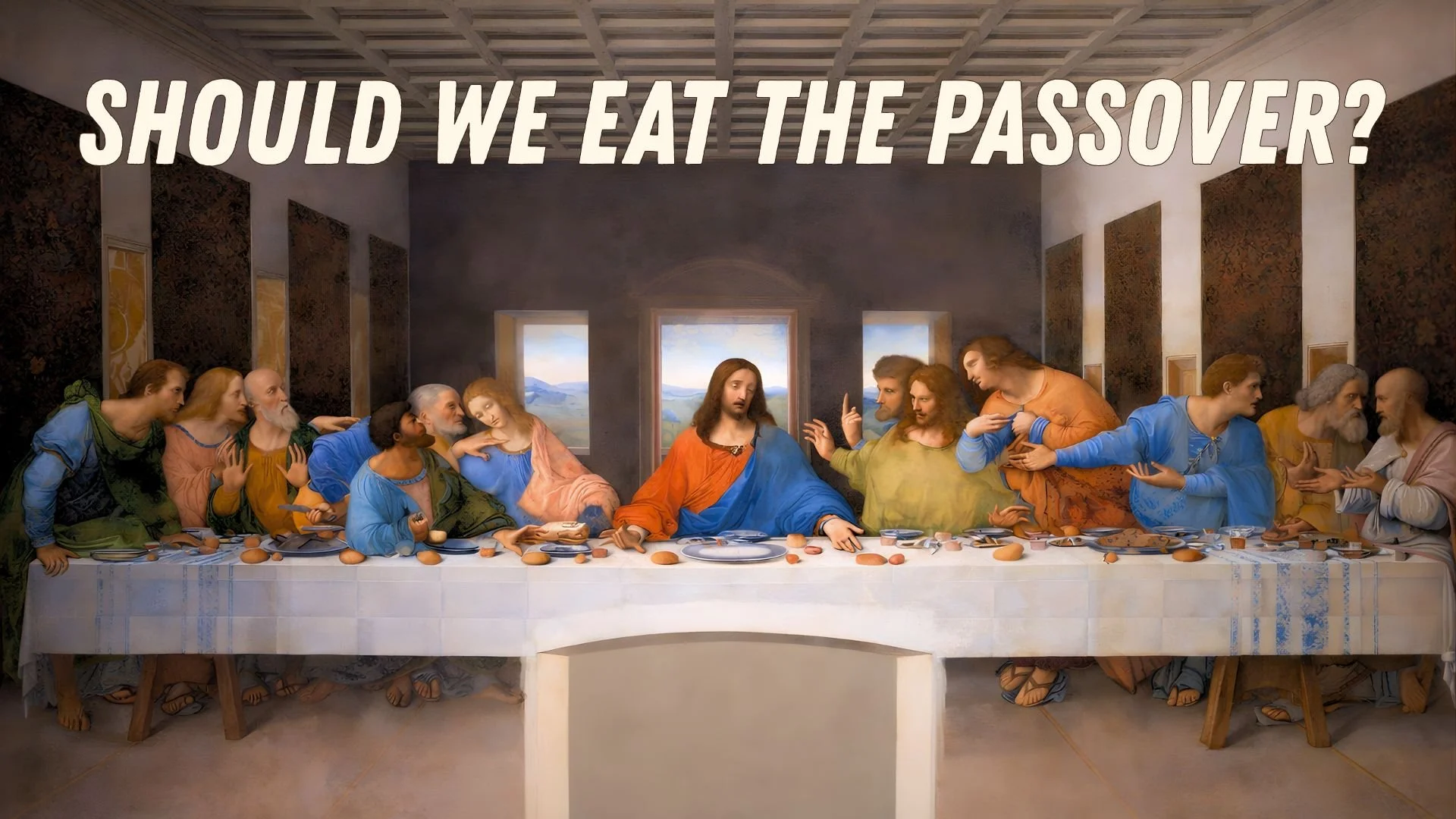
Passover and the Lord’s Supper: the New Covenant and Maundy Thursday
The relationship between Passover, the Lord’s Supper, and Christian observance is examined through Scripture, arguing that the essential elements of Passover—lamb, bread, and bitter herbs—are fulfilled and transformed in the Lord’s Supper. The lamb is identified with Christ himself, the bread becomes the means of participation in his life as the true bread from heaven, and the imagery of suffering and deliverance associated with the bitter herbs is carried forward and reshaped, particularly through the symbolism of the cup as the covenant in Christ’s blood. Because these elements are already present in fulfilled form, the continuation of Passover as a separate practice is unnecessary, though optional observances may be permitted if they serve to clarify Christ-centered meaning. Emphasis is placed on the centrality of the Lord’s Supper—especially in connection with the resurrection—as the primary expression of covenant participation, with preference given to historic Christian patterns of remembering Christ’s death and resurrection rather than reconstructing earlier ritual forms.
The Way of Eden: Resisting the Darkness, Book by Jonathan Dillon
The biblical theme of Eden functions as an ongoing pattern for understanding life, community, and spiritual formation, where human flourishing is shaped not by domination or force but by cultivation, patience, and care, like a garden. Spiritual conflict is primarily against unseen powers rather than people, calling for a response marked by love, humility, and faithful presence instead of aggression or tribalism. Deep engagement with Scripture is not merely informational but transformative, steadily shaping character and action in the way a well-watered tree produces fruit for the benefit of others. This vision extends into everyday life, where relationships, hospitality, and intentional community become expressions of God’s kingdom, forming small spaces of restoration that reflect divine order within a broken world.
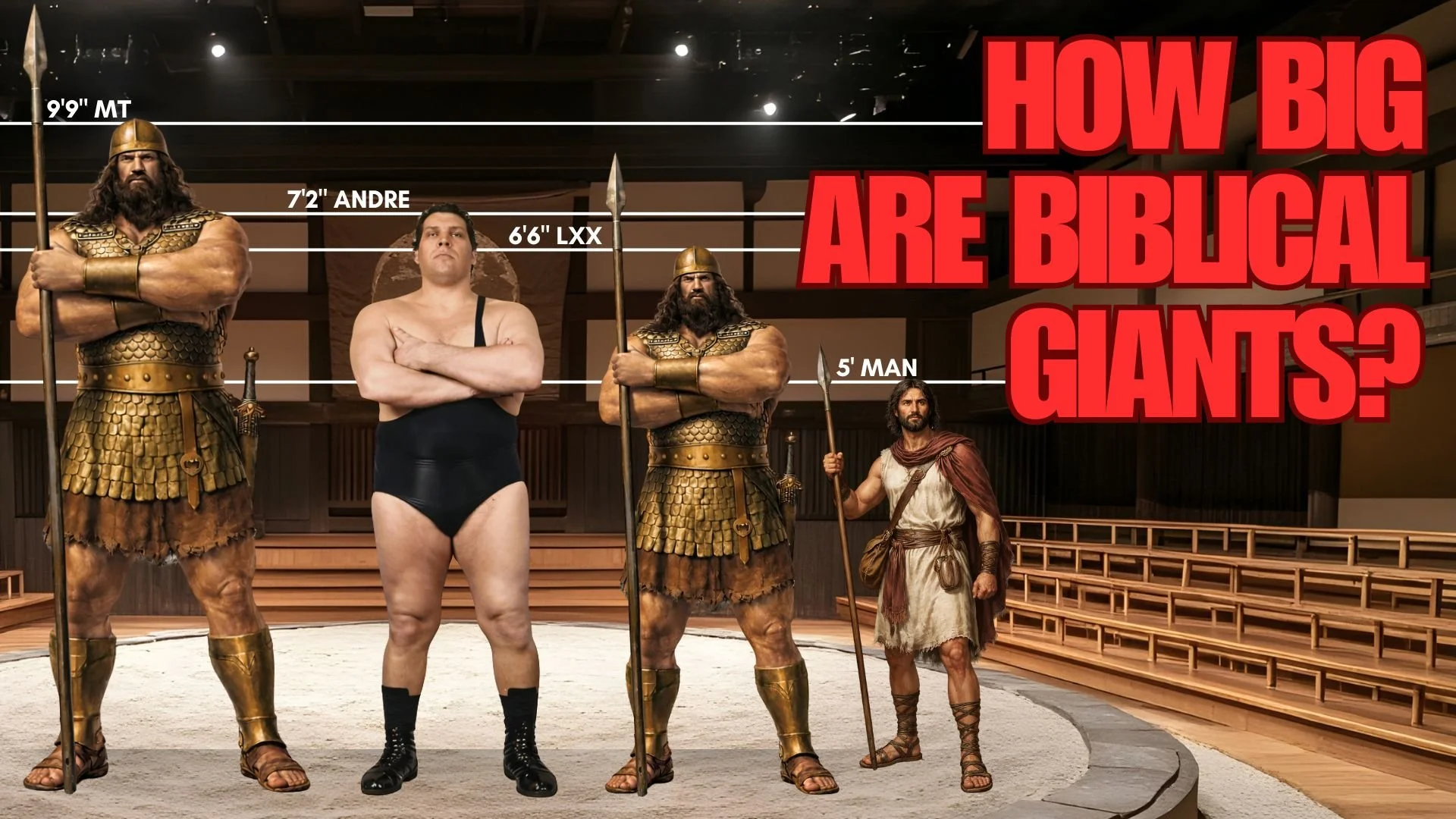
Where does it talk about giants in the Bible?
Biblical references to giants appear frequently as both named individuals and entire people groups, indicating that extraordinary human size was a recognized feature of the ancient world. Although many supposed archaeological discoveries of giant remains have been exposed as fraudulent, literary testimony and rare cases of extreme human height suggest that unusually large individuals did exist and would have been perceived as formidable in antiquity. Comparisons between biblical measurements (especially those related to Goliath) and known historical examples show that the described heights fall within the upper range of human possibility. More importantly, the giant traditions serve a theological purpose: they illustrate the link between supernatural rebellion and human tyranny and frame the broader biblical theme of spiritual warfare. Minimizing or dismissing the reality of giants risks flattening the Bible’s supernatural worldview and obscuring the larger conflict between the forces of God and the powers of evil that runs throughout the biblical story.